-
Phone: +90 212 945 74 65
SERVICES
ARCHIVES AND MUSEUMS
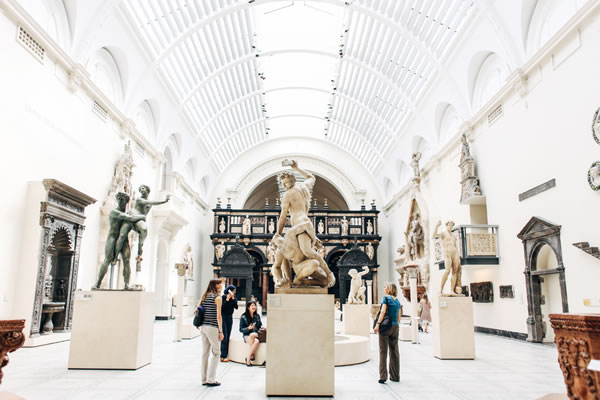
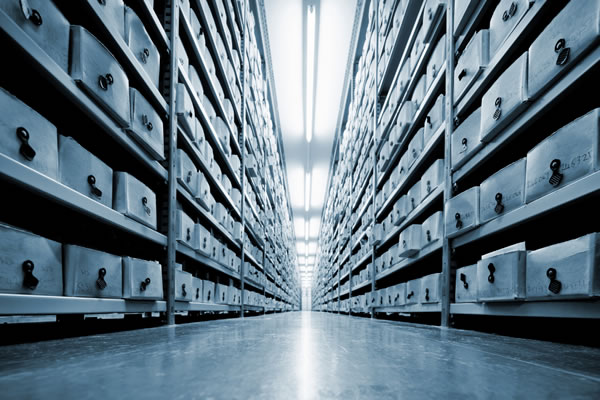
Archives and museums are among the most vulnerable places in terms of fire dangers. Human population in museums are generally high and variable while stored goods are invaluable. In a case of fire, there may be irredeemable losses of property in addition life.
- One distinct difference between museums and residential or commercial enclosures is the source of damage. While for most buildings the damage to property will be caused by fire itself, in museums and galleries fire suppressant also has the potential to give damage to the property.
- For example, in an archive that stores paper documentation, water will give great damage to the stored goods. Similarly, using water or foam to extinguish a fire in a museum may give irreversible damage to a priceless painting.
- Thus, fire suppression and detection systems for these enclosures are designed based on special criterias. Below is a list of some of the most important criterias that fire protection experts consider in regards to archive and museum fire hazards:
• The suppressant needs to respond to the fire quickly,
• The suppressant should not give any damage to the stored goods,
• The suppressant should not give any damage to human health during its operation,
• The suppressant should be suitable for and work efficiently within the the enclosure,
• The suppressant should visually suit the architectural outlook of the enclosure.